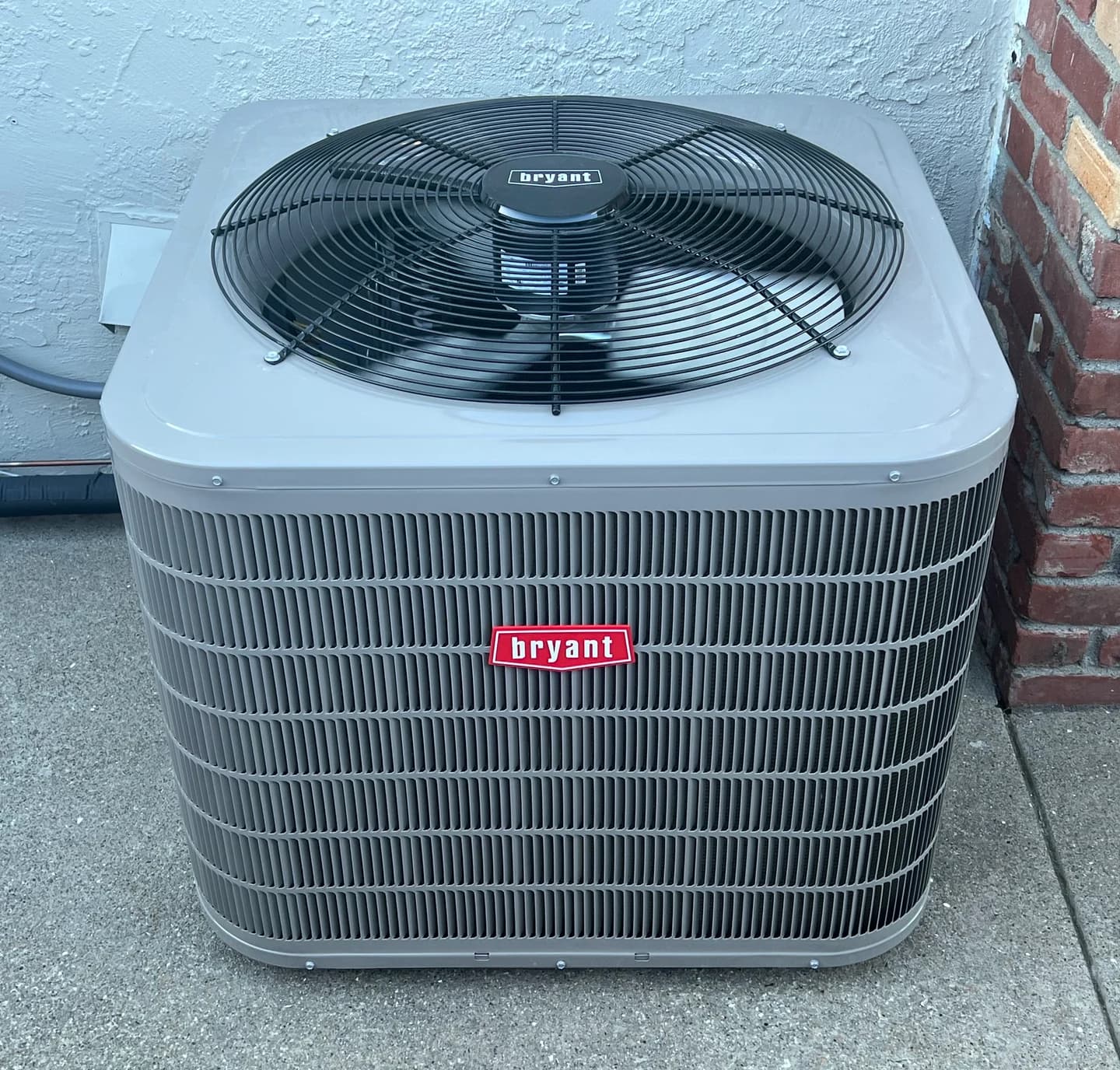
During the assessment
Ask whether the visit covers your equipment type and how diagnostic findings and additional work are authorized. A heat pump, furnace and boiler should not be treated as interchangeable service requests. If you smell gas or a carbon-monoxide alarm activates, leave the affected area and contact emergency services or the gas utility from a safe location.
Compare the complete scope
A repair proposal should identify the fault, recommended correction and what happens if another issue is found. For replacement alternatives, ask about the complete installation and controls rather than the appliance alone. Confirm scheduling with the provider; the website does not establish a guaranteed response time.
Have these details ready
- Furnace, heat pump, boiler or other heat source
- Which spaces have lost heat
- Fault message, unusual noise or change in operation
- Who can authorize work and provide entry
What should I do if there is a gas smell or a CO alarm?
Leave the affected area and contact emergency services or the gas utility from a safe location. Do not wait for a routine website enquiry or attempt to restart the heating equipment. Arrange the appropriate professional assessment after the immediate danger has been addressed.
Further reading
This is a planning resource, not a diagnosis, price quote or confirmation of provider availability. For an immediate threat to life or safety, contact emergency services.
Find your city & request a callback